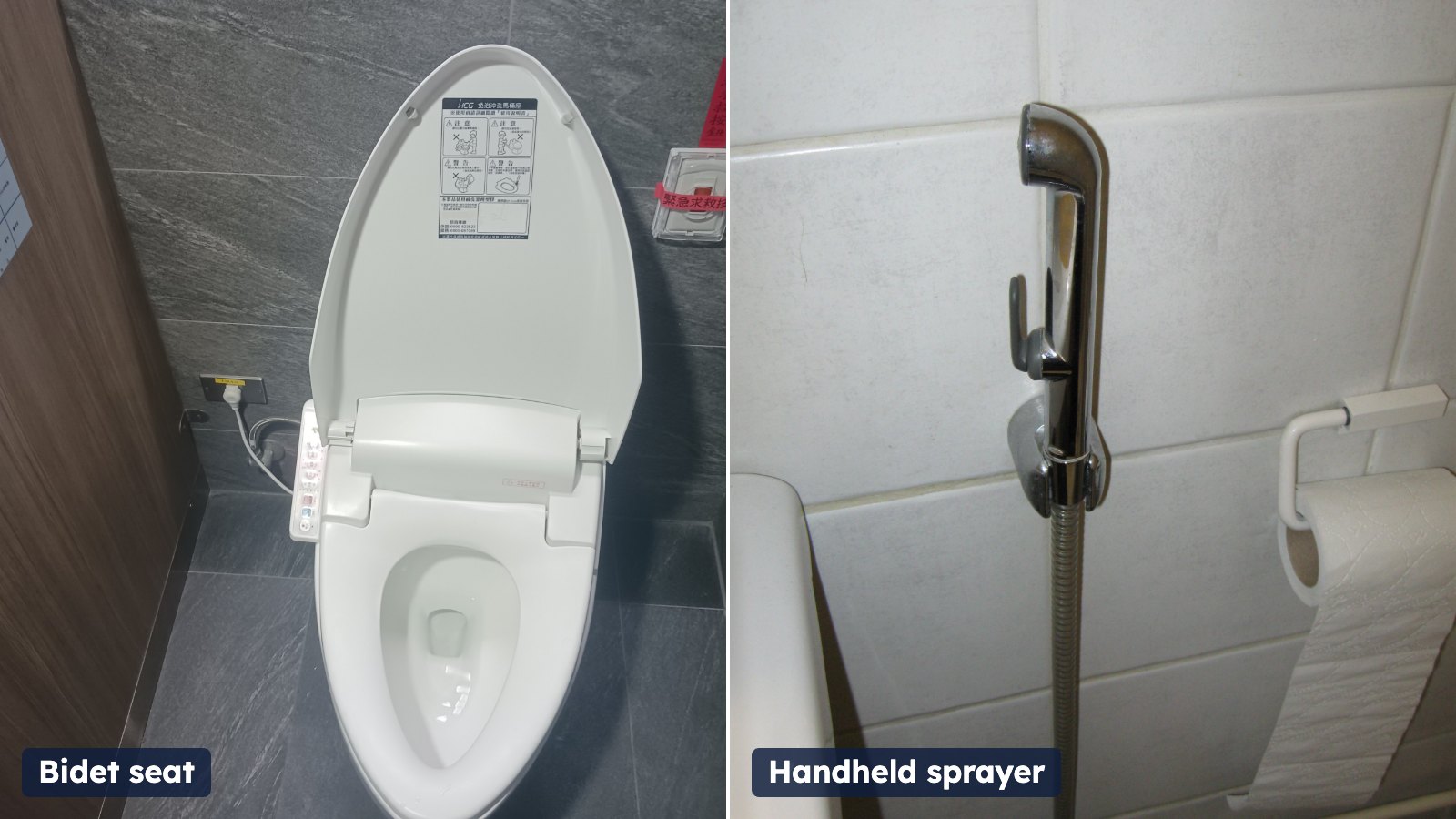
The short version: For most homeowners, and especially anyone with limited reach, grip, or balance, a bidet seat is the better buy: electric if an outlet is close by, non-electric if not. A handheld sprayer costs the least and needs no outlet, but it usually runs cold, and manufacturers say to close its T-valve after every use.
Both options wash with water, and both tap the cold line at your toilet. The real difference is the daily routine.
A seat asks you to sit down and press or turn something at your side. A sprayer asks you to reach, hold, aim, and then shut off a valve. For careful buyers, that routine matters more than the price gap.
What Each Option Is
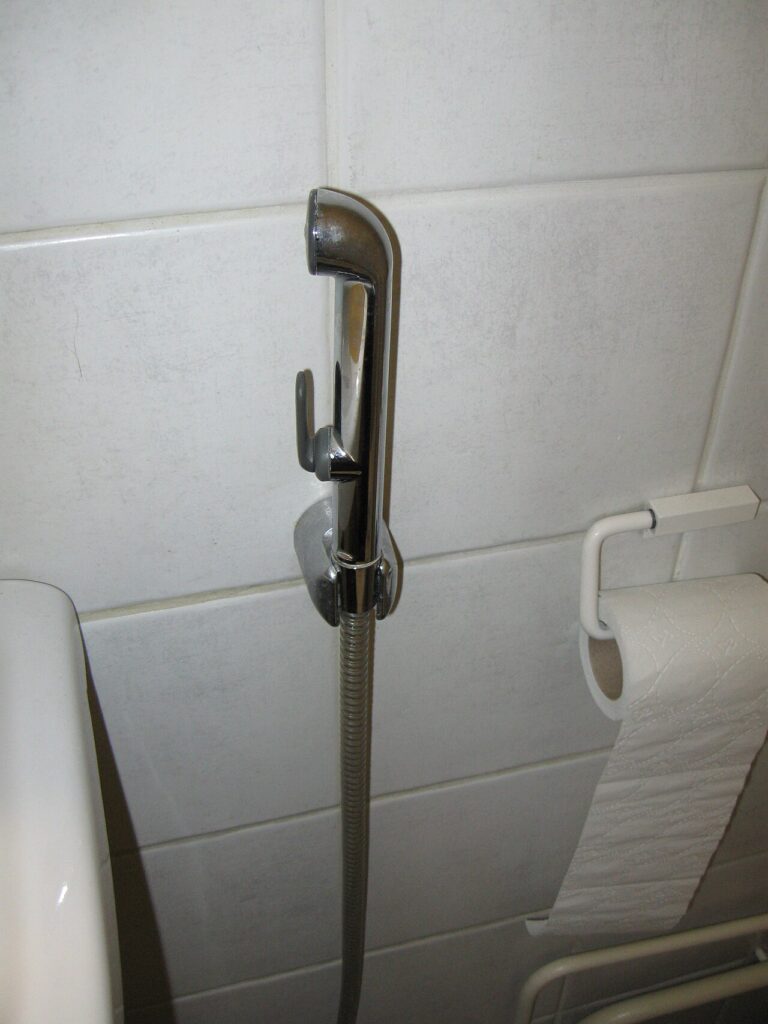
A handheld sprayer is a small nozzle on a flexible hose that connects to a T-valve at the toilet. Most come with a holster. Brondell’s CleanSpa Essential has a 47.2-inch hose, and its holster mounts to the wall or the toilet.
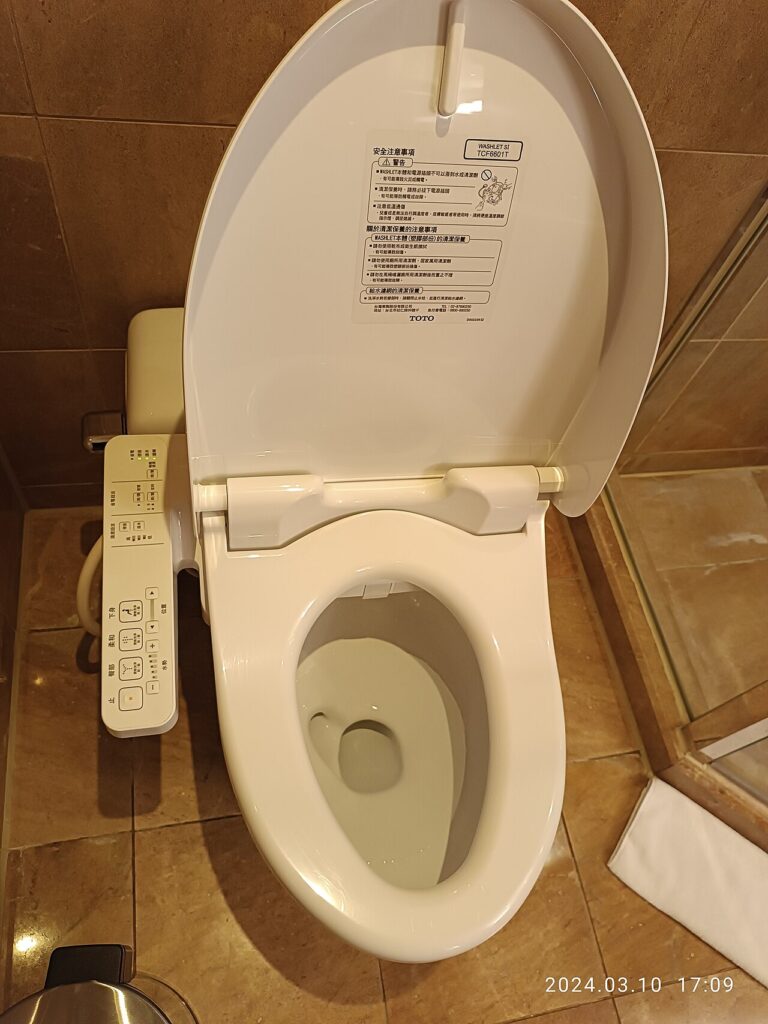
A bidet seat replaces your existing toilet seat and has a built-in nozzle or wand. A non-electric seat (such as Brondell’s EcoSeat S102) is powered by water pressure alone and is operated by a dial or lever at your side. An electric seat (such as the Brondell Swash 1400 or Bio Bidet BB-2000) plugs in and adds warm water and a dryer.
If you’re also weighing a slim attachment, see Bidet Attachment or Seat?
How Each One Is Used
Brondell’s routine for a sprayer has three steps. Reach behind the toilet and open the T-valve. While seated, lower the sprayer into the bowl, aim at the area you want to wash, and press the trigger. When you finish, close the T-valve.
Brondell says it takes “a little practice,” and suggests drying off with a little toilet paper.
On an electric seat, you sit down and choose a wash from a remote or side panel, and the nozzle does most of the positioning, though you may still need to shift a little for the wash to reach the right spot. On a non-electric seat, you turn a dial or move a lever at your side instead.
What Each One Costs
Prices change, so treat these as rough ranges from manufacturers’ own sites at the time of writing. Handheld sprayers run about $40 to $80, with the top of that range buying a holster with its own shutoff. Non-electric seats run about $80 to $140, from Bio Bidet’s Slim Zero at $79 to Kohler’s PureWash M250 at $138.03. The Swash 1400 and BB-2000 both sit near $480 to $495.
That last figure covers two well-equipped electric seats, not the whole category; see What a Bidet Actually Costs, Installed. Adding warm water changes a sprayer’s math. Brondell’s mixing valve kit is $79.99, plus tubing at $1 per foot, so a $40 sprayer becomes roughly $120 before tubing, by our own arithmetic.
Installation: T-Valve, Tools and Outlets
A sprayer is a simple job. You shut off the water at the wall, flush, unscrew the supply line from the tank, and fit the T-valve between them. Then you connect the hose and mount the holster.
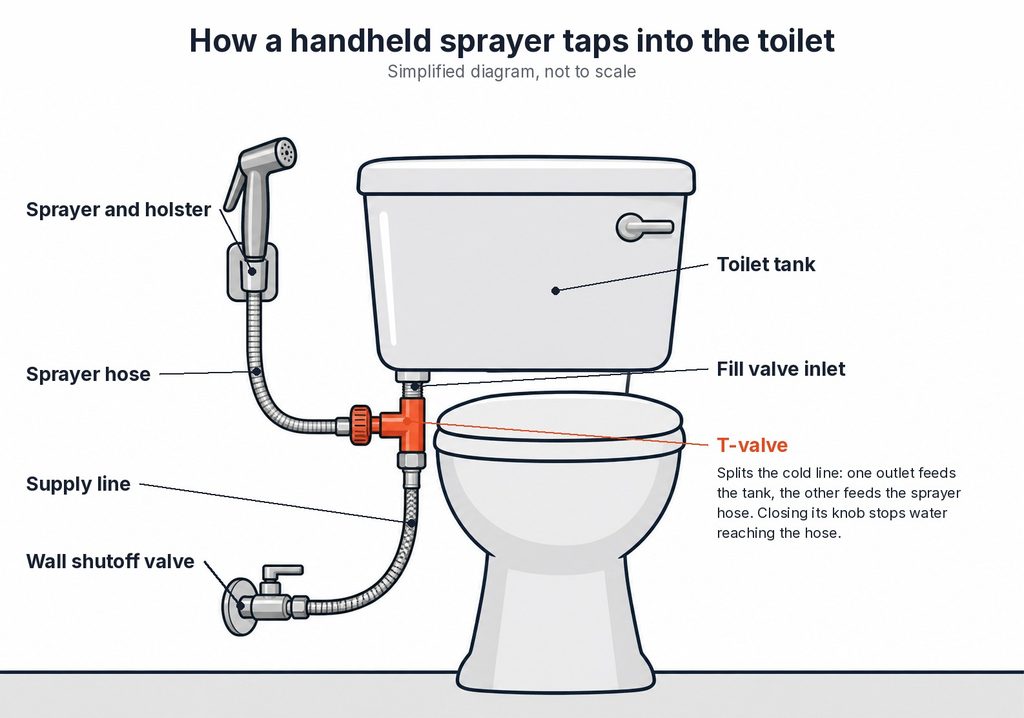
Brondell lists an adjustable wrench, with plumber’s tape as an option, and says the job shouldn’t take more than 30 minutes. A rigid supply pipe must first be swapped for a flexible line.
No outlet is needed for a sprayer or a non-electric seat. Brondell says a standard EcoSeat install can take as little as 20 minutes.
An electric seat uses the same T-valve approach, but Bio Bidet and Brondell both call for a grounded GFCI outlet, and cords are short: 4 feet on the BB-2000 and 3.5 feet on the Swash 1400. Check Do You Need an Outlet? and Will a Bidet Fit My Toilet? before you order a seat.
The Rule Sprayer Owners Can’t Skip: Close the T-Valve
This is the part to read twice. Brondell compares a sprayer to a garden hose nozzle: “Just because you release the handle doesn’t mean the water is turned off.” The trigger only stops the spray. The T-valve is what stops water reaching the hose, and sprayer makers are blunt about closing it.
| Manufacturer | What the Instructions Say |
|---|---|
| Brondell | “AFTER EACH USE, YOU MUST TURN THE T-VALVE OFF to stop the water supply to the Bidet Hose and Sprayer.” |
| Brondell | “Failure to turn off after each use may cause flooding and water damage.” |
| Bio Bidet | “THE T-VALVE MUST BE SHUT OFF AFTER EACH USE.” |
| TUSHY | “Always close the Shutoff Adapter after every use by turning it clockwise until the handle points down. Leaving it open risks flooding if a leak develops.” |
The failure can come from ordinary use. Brondell warns that all hand-held sprayers and hoses “have seals and parts that can leak from rough handling, misuse, dropping the sprayer, or daily wear and tear.” Its advice is to never leave them under pressure when not in use, because over time that pressure “causes damage, followed by leaking.”
TUSHY, which calls its T-valve a Shutoff Adapter, tells owners to check for leaks periodically and recommends replacing hoses and adapters every 4 years. Bio Bidet says it isn’t responsible for damage caused by skipping the shutoff, and its warranty excludes damage from water leaks. With Bio Bidet, the cost of a forgotten valve falls on you.
The seat manuals we checked from TOTO, Bio Bidet, and Brondell carry no close-after-each-use step. That doesn’t make a seat leak-proof. TOTO’s manual still says, “If a water leak should occur, always close the shutoff valve,” so everyone in the house should know where that valve is.
There is a middle ground. Brondell’s CleanSpa Luxury holster, the MBH-40, mounts beneath the toilet seat and puts a shutoff knob “right at your side.” The manual still says the handle must be turned off after each use, and you still twist it, but Brondell says you no longer have to reach down to control the water.
Water Temperature: Why a Sprayer Runs Cold
A standard sprayer delivers whatever is in your cold line. Bio Bidet designs its sprayer for “a cold water source,” and Brondell says its handhelds “directly reflect the water pressure and temperature of your home.” If the wash needs to feel warm, that alone may settle this decision.
You can add a warm feed. Brondell’s mixing valve kit is designed to bring water from your sink’s hot supply to a hand-held sprayer. Its product page gives no maximum temperature, so test the water before every wash. Kohler’s warning for its PureWash M300 seat, which must stay on cold water, is worth remembering: “High water temperature can cause severe burns.”
Seats give you more choices. Basic non-electric seats are also cold or ambient. Brondell’s dual-temperature EcoSeat adds a temperature dial, but warm washes need a hot water supply, and the included tubing is 6 feet long, with longer tubing sold by the foot.
Electric seats connect to the cold line and heat the water themselves. The BB-2000 offers Room Temp, Low, Normal, and High, and TOTO’s manual for the WASHLET S550e (SW3056) lists five levels plus off. For how heating works, see Tankless vs Reservoir Heating.
Cleaning and Upkeep
Sprayer cleaning is simple but manual. Bio Bidet says to wipe the surface regularly with a damp cloth and avoid harsh detergents and bristled tools. TUSHY warns that bleach can crack its hoses and lead to leaks, so keep it away from the hose when you clean the toilet.
Seats do part of this job themselves. The Swash 1400 runs a nozzle cleaning cycle before and after each wash, the BB-2000 rinses its nozzle before each use, and Kohler’s M300 rinses its wand after each use. TOTO still suggests wiping the wand about once a month with a soft, wet cloth.
Accessibility: Reach, Grip and Aim
For many readers, this section decides it. Brondell argues that washing takes less twisting and reaching than wiping with toilet paper. That holds best when the bidet does the positioning. A sprayer hands part of that work back to you, and Brondell itself points to ergonomic sprayers for people with hand pain, mobility issues, or trouble aiming.
Reach and Aim
A sprayer’s valve sits behind the toilet, so someone who can’t twist or lean back that far needs a holster-mounted shutoff or another product. Then there’s aim. You aim the nozzle yourself from a seated position, usually with one hand. That hand can’t also be on a grab bar, which matters if you steady yourself while seated.
Grip
Grip is the quiet problem. Holding a trigger down can tire a sore hand, and a shaky grip feeds the safety point above, because Brondell names dropping the sprayer as a cause of leaks. Brondell’s CleanSpa Easy has a second thumb trigger position for continuous flow, the CleanSpa Advanced uses a thumb lever, and Bio Bidet and TUSHY use sliders.
A useful yardstick comes from the ADA Standards. Controls should work with one hand, without tight grasping, pinching, or twisting of the wrist, and with no more than 5 pounds of force. We borrow it only as a measure of easy operation. By that yardstick, a remote or side-panel button looks like the closest fit, and a turning T-valve behind the toilet looks like the hardest.
Seat Controls
Seat controls differ too. The BB-2000’s wireless remote comes with a wall bracket, and TOTO’s remote sits in a hanger, so either can go wherever the hand falls naturally. Brondell recommends a sidearm control panel for limited mobility or dexterity.
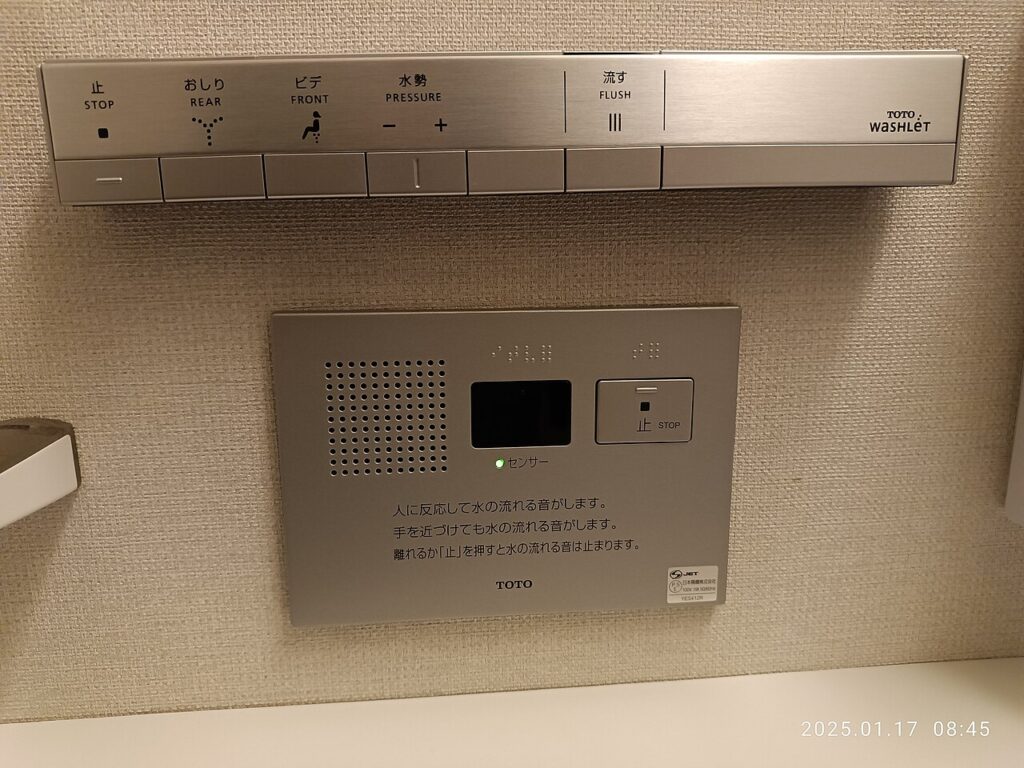
Non-electric seats can ask more of the hand, and side matters: the EcoSeat S102’s dial is on the right, a poor match for a weak right hand. See Limited Mobility for more.
Before You Buy
Before you buy, sit on the closed toilet and reach back to where the supply line meets the tank, since a T-valve would sit there. Then hold a garden hose nozzle or kitchen sink sprayer open for a full minute. If either feels like work, a seat is probably the kinder choice.
When a Caregiver Is Doing the Washing
A sprayer has one real strength here: someone else can hold it. The National Institute on Aging’s Alzheimer’s caregiving tips have listed a hand-held showerhead for bathing, and the Alzheimer’s Association says to make sure the spray isn’t too harsh. Those tips are about showers, not bidet sprayers, but the idea carries over.
On a caregiver forum, one person described using a handheld shower near the toilet to “wash my mom while she remained seated there.”
The direct evidence we found is for automatic washing. In a small 2021 feasibility study in the American Journal of Occupational Therapy, ten informal caregivers were trained to use an automated bidet, and all said it made toileting easier and increased their confidence. One caregiver on the Alzheimer’s Association forum wrote, “A bidet seat was very helpful in getting her clean while she was still seated.”
A cold sprayer can be a poor fit for someone with dementia, since the Alzheimer’s Association notes a person may resist bathing if the water is too cool. And both Bio Bidet and TOTO call for close supervision when vulnerable users operate their seats, with TOTO advising that another person turn off the seat heater for those who can’t manage settings. Our Caregiver’s Guide goes further.
Bidet Seat vs Handheld Sprayer at a Glance
Prices are rough ranges from manufacturers’ sites at the time of writing.
| Factor | Handheld Sprayer | Non-Electric Seat | Electric Seat |
|---|---|---|---|
| Rough price | $40 to $80 | $80 to $140 | Near $480 to $495 for the Swash 1400 and BB-2000 |
| Outlet needed | No | No | Yes, grounded; Bio Bidet and Brondell specify GFCI |
| Water temperature | Cold unless you add a warm feed | Cold, or warm with a hot supply on dual-temperature models | Heated by the seat |
| After each use | Close the T-valve | No close-after-use step in the Brondell manual we checked | No close-after-use step in the manuals we checked |
| Controls | Trigger or slider, plus a valve | Dial or lever at your side | Remote, side panel, or both |
| Asks of the user | Reach, grip, and aim | Turning a dial or lever | Pressing a button |
| Who positions the water | You or a helper | The nozzle | The nozzle |
Who Should Pick Which
Choose an electric seat if you have an outlet nearby or can add one, and if reach, grip, balance, or cold water is a concern. It asks the least of the user, and it’s where we’d start for a parent. Start with our Over 60 guide or the Brondell Swash 1400 review.
Choose a non-electric seat if there’s no outlet, the budget is tight, and the user can comfortably turn a dial or lever at the side of the seat. Choose a sprayer if you have good reach and steady hands, you’re comfortable with cold or added warm water, and you’ll reliably close the valve.
Skip the sprayer if the person using it might forget the valve, can’t reach it, or tends to drop things. If a caregiver will do the washing, a sprayer can work, provided the caregiver takes charge of the valve.
Image credits, cropped and placed side by side: bidet seat photo by Saimmx, Wikimedia Commons, CC0; handheld sprayer photo by SeppVei, Wikimedia Commons, public domain.