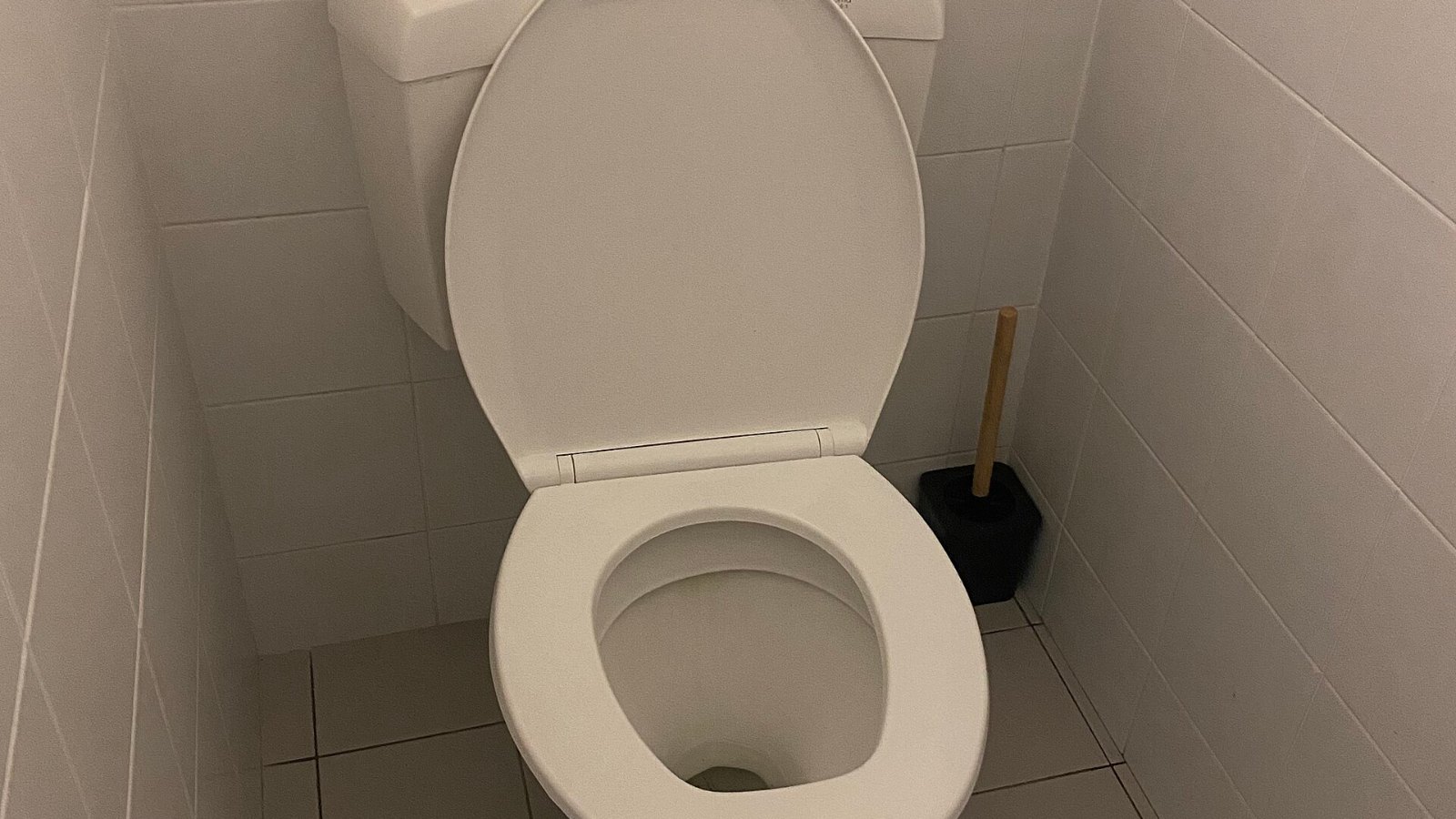
The short version: A bidet seat sits about where a regular seat does, so it will not turn a standard toilet into a comfort-height one. Standard toilets put the top of the seat at roughly 15.5 to 16 inches; chair-height and ADA toilets put it at 17 to 19 inches. For more, use a base riser under the toilet, a riser made for your bidet seat, or a taller toilet. Clip-on raised seats cannot be combined with a bidet seat.
If someone in the house finds it hard to lower onto the toilet or push back up, seat height matters as much as any bidet feature. This page answers two linked questions: does adding a bidet seat change how high you sit, and if the toilet is too low, which ways of raising it still let you keep a bidet seat? The figures come from toilet makers, the ADA standards and accessory manufacturers.
On this page
Standard, Chair and ADA Toilet Heights
Toilet makers use two different measurements, which is why published heights can look inconsistent. American Standard quotes the bowl rim: about 15 inches from the floor for a standard toilet and about 16 1/2 inches for its chair-height models, which it also calls Right Height or Tall Height. It adds that the toilet seat itself adds another 1/2 to 1 inch.
Kohler measures from the floor to the top of the seat. By that measure, it says most toilets fall between 15 and 19 inches, standard toilets come in under 17 inches, and chair-height toilets measure 17 inches or more, about 2 inches higher than standard. Kohler calls its chair-height line Comfort Height.
Put the two sets of figures together and a standard toilet with its seat sits at roughly 15.5 to 16 inches, while a chair-height toilet with its seat reaches about 17 inches.
The 2010 ADA Standards, section 604.4, set the seat height for accessible toilets at 17 inches minimum and 19 inches maximum above the finished floor, measured to the top of the seat. The same section relaxes this for residential dwelling units, where the range is 15 to 19 inches. A toilet sold as ADA height should therefore put the top of the seat somewhere in the 17 to 19 inch band once a seat is fitted.
How to Measure Seat Height
Measure your own toilet before you buy anything, because the label on the box will not tell you what you have now. Close the seat (leave the lid up), then measure straight up from the finished floor to the top of the seat ring, near the front where the person sits. That is the number the ADA standard and Kohler use, so you can compare it directly with the figures above.
Two other numbers are worth writing down while you have the tape out. The first is the bowl rim height with the seat lifted, which tells you how much the current seat contributes. The second is the seat height of a chair the person finds easy to get out of. That second figure is a useful target, and it is also the kind of detail an occupational therapist will ask for.
How Much Height a Bidet Seat Adds
A bidet seat replaces your existing seat and bolts to the same holes on the bowl, so the person sits on its ring in about the same place. The major bidet seat makers we checked (TOTO, Brondell, Bio Bidet, Coway, Alpha) do not publish a separate figure for how high the sitting surface sits above the rim, so there is no reliable manufacturer number for “added height.”
What owners describe is a ring that sits a little higher than a thin plastic seat, not a change of inches.
The “height” on a bidet seat’s spec sheet is easy to misread. Brondell lists the Swash Thinline T44 at 3.9 inches high and Coway lists the Bidetmega 400S at 5.31 inches. Those figures measure the whole unit up to the top of the rear housing, where the heater, pump and electronics sit behind the person. They do not mean the person sits 4 or 5 inches higher. The diagram below shows the difference.
The practical takeaway: if the toilet is too low today, a bidet seat will not fix it, and if the height is right today, a bidet seat will not spoil it. Plan the height first, then choose the seat. Our guide to bidet features for limited mobility covers the controls and lid details that matter once the height is settled.
Ways to Raise the Seat and Keep a Bidet
There are four common ways to gain height. They differ in how many inches they add, what installing them involves, and whether a bidet seat can stay in the picture.
Replace the Toilet with a Chair-Height Model
Swapping a standard toilet for a chair-height one gains about 2 inches, by Kohler’s figure, and it is the most permanent fix. Nothing extra sits on the bowl, so any bidet seat that matches the new bowl’s shape and mounting will fit. Check the new toilet against our bidet toilet compatibility guide before you order, since some one-piece and skirted designs limit seat choices.
Raise the Whole Toilet on a Base Riser
A base riser such as the Toilevator goes under the toilet, so the bowl, the seat and everything on it rise together. The Toilevator is listed as adding 3.5 inches to seat height. The toilet has to be lifted off and reset on the riser, which is a plumbing job rather than a clip-on fix.
Because the bowl itself does not change, a bidet seat bolts on exactly as it would have before. Two details to check: the bidet’s water line connects at the toilet’s fill valve, which moves up with the toilet, so the supply hose from the wall may need to be longer, and the power cord has a few more inches to travel to the outlet.
Add a Riser Made for Your Bidet Seat
Some risers fit between the bowl and the seat. Brondell sells the Carex Toilet Seat Riser with Handles, which adds 3.5 inches, attaches to the bowl, and includes mounting hardware for the Swash 1400 and Swash 1000 in round and elongated sizes. Brondell notes it does not work with the Swash SE400. The riser also adds side handles. Only use this kind of riser where the bidet maker lists it for your seat.
Clip-On Raised Seats
The familiar white raised seats from medical supply makers add 2 to 5 inches: Carex sells 2 inch and 4 inch models, and Drive Medical lists one that adds 5 inches. They clamp onto the bare bowl rim in place of the regular seat. A bidet seat’s nozzle sprays from under its own ring, so you cannot stack a clip-on raised seat on top of one or use both at the same time.
| Option | Height gain | Works with a bidet seat | Rough cost |
|---|---|---|---|
| Chair-height toilet | About 2 in over standard | Yes, if the bowl is compatible | Varies by toilet and installer |
| Base riser under the toilet (Toilevator) | 3.5 in | Yes, the seat mounts as before | About $95 plus installation |
| Bowl-to-seat riser (Carex, sold by Brondell) | 3.5 in | Swash 1400 and 1000 only | $89.99 |
| Clip-on raised seat (Carex, Drive Medical) | 2 to 5 in | No | About $31 to $38 for the Carex models |
Prices are manufacturer and retailer list prices at the time of writing and will change. If grab bars are part of the plan, raising the seat changes how the bar lines up with the user’s hands; our grab bar clearance guide covers the spacing.
Integrated Bidet Toilets
An integrated bidet toilet combines the bowl and the bidet seat in one unit, so its seat height is fixed by the design. Many are built at chair height. Kohler’s Numi 2.0 spec sheet lists the Comfort Height feature and says the toilet is ADA compliant when installed to those requirements, and Kohler’s Veil Comfort Height intelligent compact toilet is listed with a 17 inch seating height.
Not every integrated model is sold as chair height, so look for a stated seat height on the spec sheet, not just a style name, and compare it with the number you measured at home. Our aging-in-place bathroom guide looks at when a full toilet replacement makes more sense than adding a seat.
When the Toilet Is Too Tall
Height can go wrong in the other direction. Kohler describes standard-height toilets as an ideal choice for people of average or smaller stature, and a shorter person on a 17 to 19 inch seat may find their feet no longer rest flat on the floor. That can make it harder to feel steady while seated or to get the feet under them before standing.
When two people with different needs share one bathroom, a common compromise is a chair-height toilet for the person who struggles to stand, plus a sturdy, non-slip footstool for the shorter person. Keep the stool out of walking paths when not in use. If you are unsure which height suits the household, measure both people’s comfortable chair heights and see where they overlap.
When to Ask an Occupational Therapist
Seat height is a product question up to a point. If the person has had a fall, is recovering from hip or knee surgery, transfers from a wheelchair, or needs another person’s help to stand, ask a doctor for a referral to an occupational therapist before buying anything. An occupational therapist can assess the right seat height and whether arms, a frame or grab bars should be part of the setup.
Bring your measurements and the bidet seat you are considering to that visit. A therapist who knows the seat must stay compatible with a bidet can steer you toward a base riser or a taller toilet instead of a clip-on seat. If a family member helps with toileting, our caregiver guide covers the day-to-day logistics, and the seniors buying guide covers choosing the seat itself.
Image credit, cropped: photo by RegionVisitor90, Wikimedia Commons, CC0.